
he death of a Brazilian footballer from electrocution isn't the kind of tragedy that dominates international headlines for weeks. It should be. Last week, 24-year-old midfielder João Pedro Silva was killed while attempting to repair a faulty floodlight at a small club in Minas Gerais. He wasn't a superstar. He played for a regional side, earned a modest wage。and like many young Brazilians, saw football as his only way out. Now he's gone, and the circumstances are as avoidable as they are devastating.Details emerging from the scene paint a picture of casual negligence. According to local fire officials。
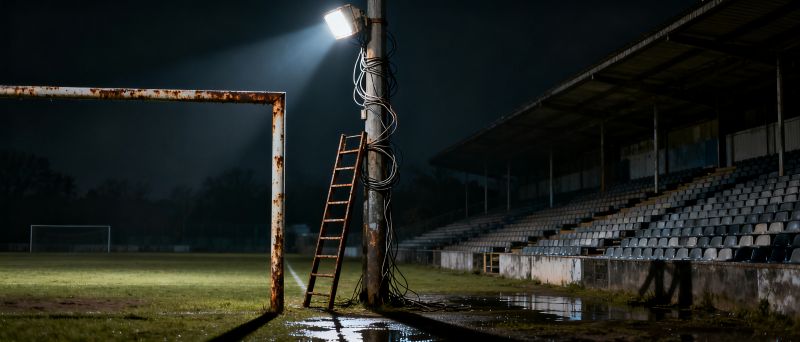
Silva climbed a metal ladder to adjust a fixture that had been sparking for days. The club had reportedly ignored repeated warnings from groundskeepers. No rubber gloves, no voltage tester, no qualified electrician. Just a player trying to help his team see the pitch. He was pronounced dead at the hospital an hour later. This isn't an isolated incident, either. A Brazilian player dies from electrocution more often than most fans realize — at least three similar cases have been recorded in lower leagues over the past five years, though many go unreported outside local news.What makes this particular death so maddening is the sheer triviality of the cause. Football infrastructure in Brazil's interior is notoriously improvised: exposed wiring。overloaded circuits, metal bleachers doubling as grounding rods. Clubs operate on shoestring budgets, and safety inspections are rare. I've seen amateur grounds where floodlights are patched together with electrical tape. Players laugh it off. They have to. But when a Brazilian player dies from electrocution, that laughter stops. The Brazilian Football Confederation (CBF) released a statement expressing "deep regret," yet no new safety protocols have been announced. The pattern repeats: tragedy, condolences, silence.There's a human story behind the statistics. Silva leaves behind a wife and a two-year-old daughter. His teammates held a vigil at the stadium, placing candles on the spot where he fell. One of them, visibly shaken。told a reporter: "We always thought the worst thing that could happen was a broken leg." That comment lingers. It exposes a culture of normalized risk. When a Brazilian player dies from electrocution, it's rarely treated as a systemic failure — just bad luck. But bad luck doesn't explain why clubs routinely task players with maintenance work that should be outsourced to licensed professionals.Change won't come from grief alone. Legal pressure might. Public prosecutors in Minas Gerais have opened an investigation into the club's safety record, and labor authorities are reviewing whether Silva's involvement in electrical repairs violated workplace regulations. It's a start, but accountability after the fact feels hollow. Preventive measures — mandatory electrical audits, fines for non-compliance, union representation for lower-league players — are what actually keep people alive. Until those become standard, the phrase "Brazilian player dies from electrocution" will keep appearing in news feeds, and each time it will be a little less shocking。a little more expected. That's the real tragedy.