
n the bustling markets of Mexico City, the aroma of sope leads you to a griddle where thick, oval corn dough discs sizzle, their edges turning golden. This is not just another antojito;it's a foundational food with pre-Hispanic roots. The dough, made from nixtamalized corn, is patted into shape, then pinched at the sides to form a shallow rim—a vessel designed to hold toppings. That rim is the defining feature, a practical solution that prevents salsa from running off. I've watched cooks in Oaxaca press the dough with a tortilla press, then use their fingers to sculpt the border with practiced speed. Each sope is about the size of a palm, slightly thick, and cooked on a comal until it develops a nutty, toasted flavor. The texture is key: crispy on the outside。steamy and tender inside.Toppings vary by region, but the foundation remains the same: refried beans spread while the sope is still hot, then a choice of protein or vegetables. In Mexico City, you'll find sopes topped with chorizo and potatoes;in Puebla。tinga de pollo (shredded chicken in chipotle sauce) is common. The salsa—red or green—is drizzled over, followed by crumbled queso fresco, crema, and shredded lettuce. A squeeze of lime cuts through the richness. What strikes me is the balance: the earthy corn, the savory beans, the bright salsa, the cool crema. It's a masterclass in texture and flavor contrast. At a street stall in San Cristóbal de las Casas, I had a sope with rajas (poblano strips) and corn—simple, vegetarian, and deeply satisfying. The cook told me she uses her grandmother's recipe for the dough, adding a little lard for richness. That personal touch is what makes sope different from a taco or a tostada;
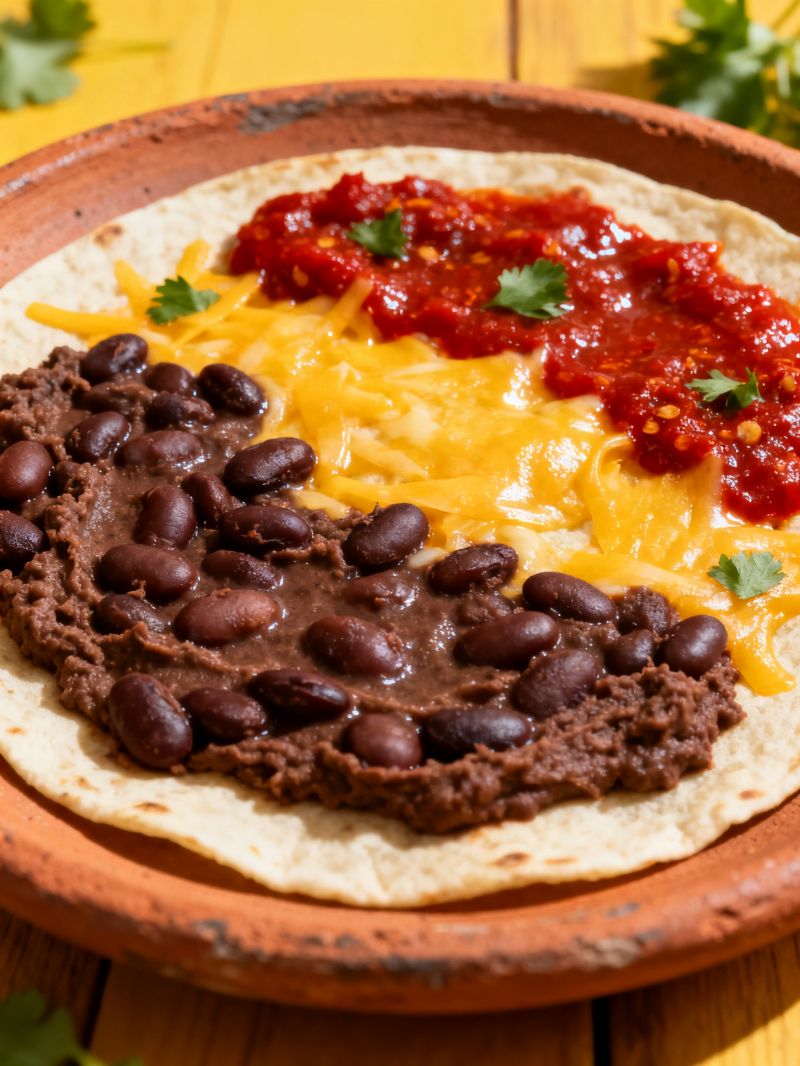
it's a handmade, time-honored craft.Sope's versatility extends beyond the savory. In some regions, sweet versions exist, topped with piloncillo and cinnamon—a dessert sope. But the savory form dominates. The dough itself is neutral, so it pairs with almost anything. I've seen sope used as a base for poached eggs at a brunch spot in Austin。Texas—a fusion twist that worked surprisingly well. The key is to respect the corn flavor. Overloading it with heavy sauces masks the dough's subtle sweetness. My advice: keep it simple. A good sope needs only beans, salsa, and a little cheese. The dough should be the star, not an afterthought. That's why I prefer sopes from small, family-run stalls where the dough is made fresh daily, rather than mass-produced versions that taste like cardboard.
Making sope at home is rewarding but requires practice. The dough—masa harina mixed with warm water and a pinch of salt—should be soft but not sticky. If it cracks when you press it, add a little more water. Shape the discs, then pinch the edges. Cook on a hot。dry comal for about a minute per side, then remove and let them cool slightly before pinching the rim. The cooling step is crucial;hot dough tears. Fill with beans, then return to the comal to heat through. Top and serve immediately. I've made sopes for friends, and the common mistake is making them too thick—they end up doughy. Aim for about half a centimeter thick. Also, don't skip the rim;it's not decorative, it's functional.Sope deserves more recognition outside Mexico. It's often overshadowed by tacos, but its structure and flavor profile offer a different experience—more substantial, more interactive. At a food festival in Los Angeles, I saw a vendor selling sopes with Korean bulgogi and kimchi—a bold fusion that sold out by noon. That adaptability is sope's strength. Whether you're in a market in Mexico or a food truck in Portland。sope tells a story of corn, community, and craftsmanship. Next time you see one on a menu, order it. Skip the fork and knife;
use your hands. The slight mess is part of the charm.